Omnichannel content model
2024-07-12
If you're building a platform that serves content across multiple touchpoints — a website, a mobile app, an email newsletter, a digital kiosk — at some point you'll need to make a deliberate choice about how your content is structured. That choice has a name: your content model.
And the approach you take depends heavily on whether you're building a multichannel or omnichannel platform.
Multichannel and Omnichannel
These terms get used interchangeably, but they describe meaningfully different things.
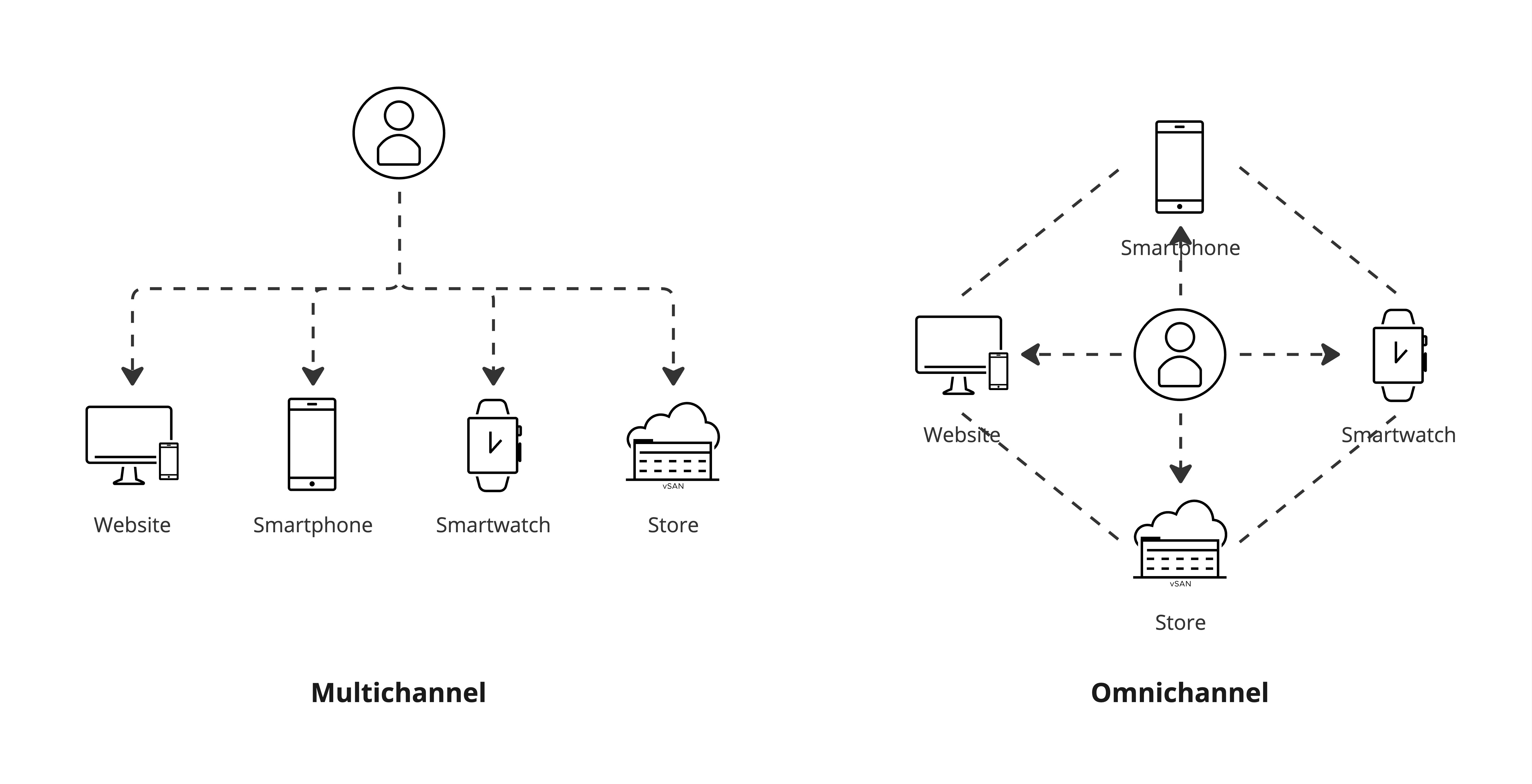
A multichannel platform distributes content or products across multiple channels. Each channel operates relatively independently. Your website might have different content than your app, and that's fine — they serve different contexts.
An omnichannel platform takes it further. The goal is a seamless experience across all channels. A customer who starts a purchase on mobile should be able to continue it on desktop. The brand, tone, and context should feel consistent regardless of where they're coming from.
Content models
How you structure your content in the CMS reflects which approach you're taking.
Content model in multichannel
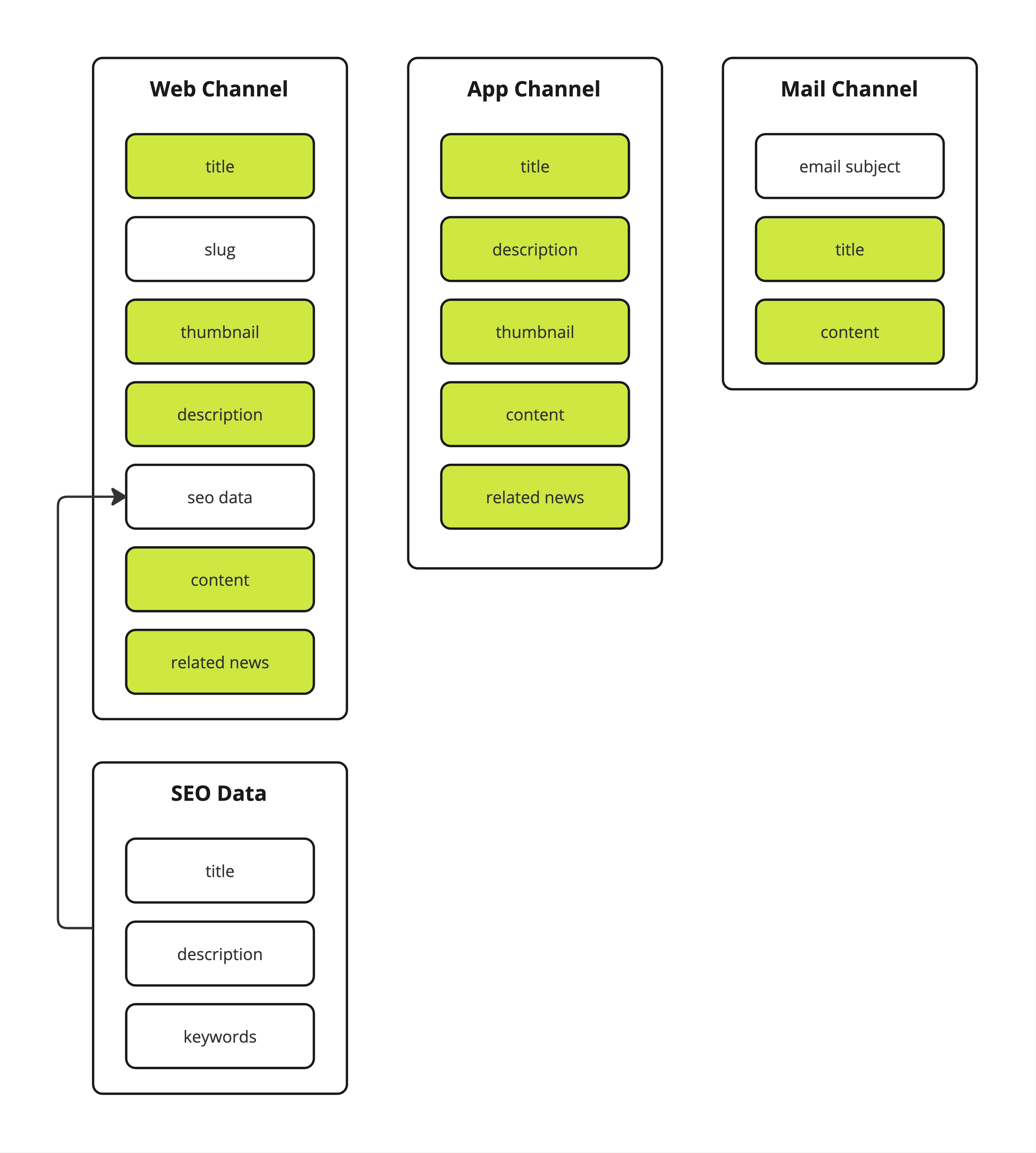
In a multichannel setup, it's common to have separate content types per channel. A "Web Article" type and a "Mobile News Item" type might hold similar information but are defined and managed separately. There's limited interconnection between them.
This works well when channels have genuinely different editorial approaches or when the teams managing them are independent.
Content model in omnichannel
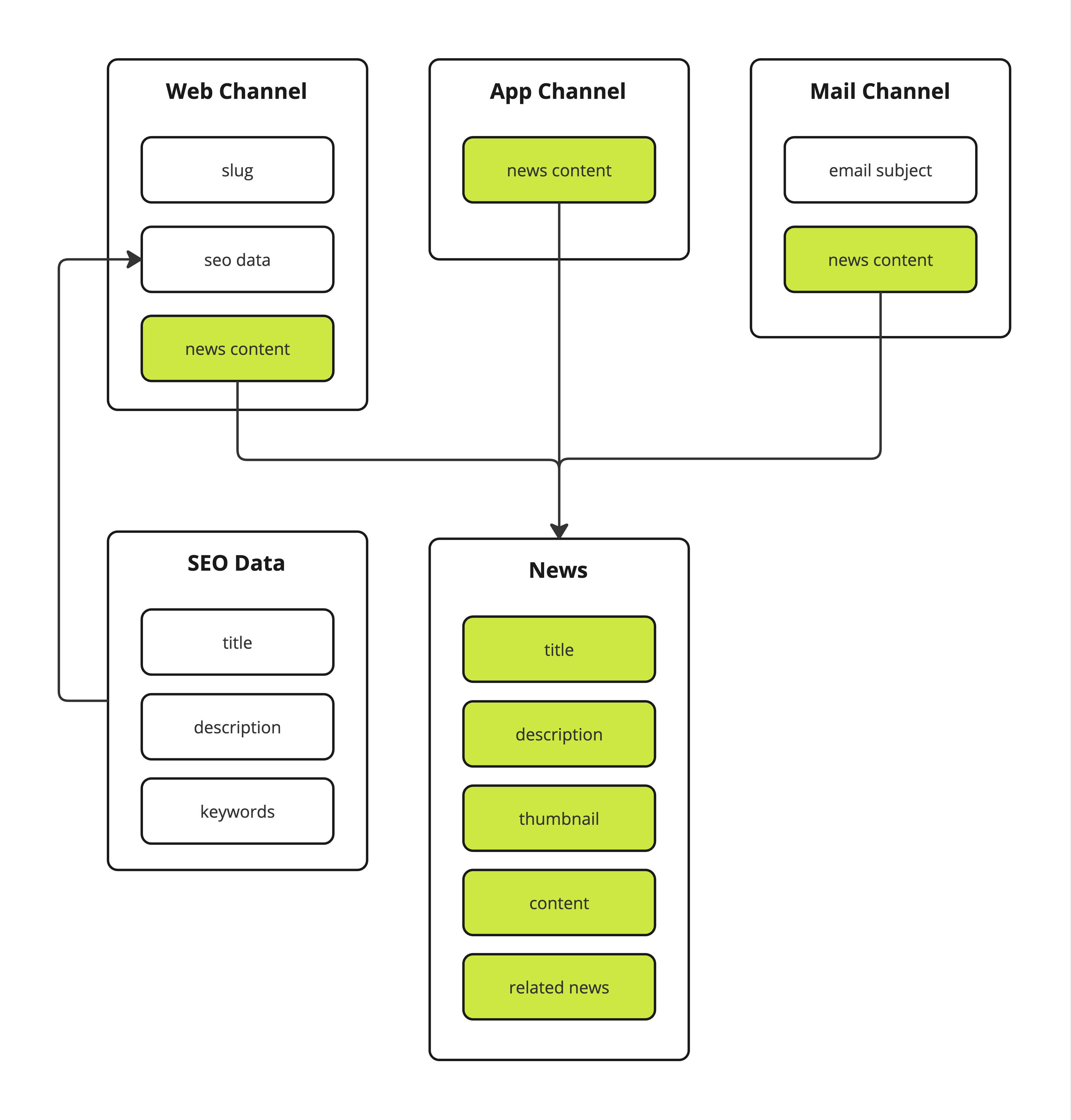
In an omnichannel setup, you move toward a unified content type at the centre. A single "News" type holds the shared attributes — title, body, author, date — and channel-specific types extend or link to it for tailored presentation.
The content lives once. The presentation adapts per channel.
Which should you choose?
It depends on what you're building and how your organisation operates.
If your channels are genuinely different businesses or have distinct editorial teams, multichannel may be the pragmatic choice. Less coordination overhead, more autonomy per channel.
If you're building a coherent brand experience and your channels share a common customer journey, omnichannel gives you the consistency to support that — but it requires more upfront content modelling work and tighter editorial discipline.
The content model conversation should happen early. Retrofitting a multichannel structure into an omnichannel one is painful. Get this decision right before you start building content at scale.